Can You Freeze Soffritto? Raw and Cooked Storage
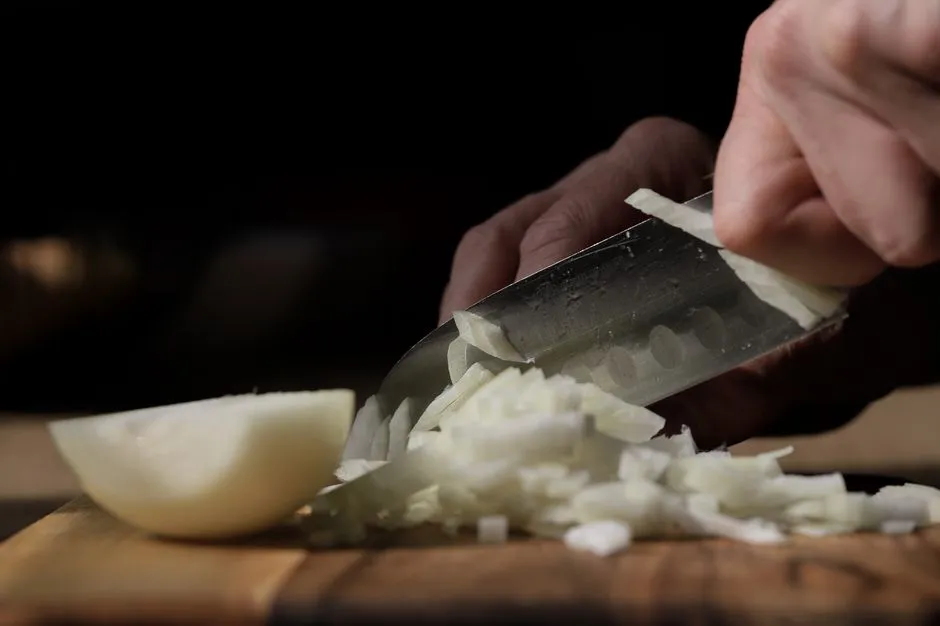
Can you freeze soffritto?
Yes, you can freeze cooked soffritto or its uncooked chopped vegetables, but label which preparation you have. Cool cooked batches promptly in small, shallow containers, then package for freezing. Keep the freezer at 0°F and the refrigerator at 40°F or below. Follow the recipe's shorter storage instructions, reheat cooked leftovers to 165°F, and never use freezing or reheating to rescue food with an unsafe or unknown handling history.
A freezer portion is useful when it matches the dish you intend to cook. Raw vegetables still need their cooking stage; a cooked base has already undergone it. This guide compares those choices without claiming a tested batch, guaranteed time saving or universal freezing life.
Is it better to freeze raw vegetables or cooked soffritto?
| Preparation | Work completed | What to record |
|---|---|---|
| Raw chopped onion, carrot and celery | Washing and cutting | Raw status, amounts and intended recipe |
| Cooked soffritto | The recipe's vegetable-cooking stage | Added fat, ingredients, cooking and freezing dates |
| Finished sauce containing soffritto | More of the dish | Complete ingredients and that sauce's storage directions |
The GialloZafferano method allows freezing raw diced vegetables: dry them well, spread them on a tray, freeze, then transfer to suitable bags. It says they can be cooked from frozen.
That is a culinary preparation method, not a guarantee of long-term quality. The National Center for Home Food Preservation recommends blanching most vegetables before freezing to control enzyme-related quality changes. Its times differ by vegetable; a mixed dice does not justify inventing one blanching schedule.
For a make-ahead cooked base, follow a complete recipe, then the prompt cooling procedure below. La Cucina Italiana explicitly describes cooking soffritto before cooling and freezing. Choose that route if completing the cooking stage is the work you want to do ahead.
What should you prepare before a batch?
Choose the finished dish and its quantities first. Our soffritto-ratio guide distinguishes vegetable counts from measured weights and volumes. Storage portions cannot repair a mistaken ingredient allocation.
Set out suitable food-storage containers, labels and space in the refrigerator and freezer before cooking. Read the container's temperature and intended-use instructions; freezer suitability does not establish suitability for stovetop or microwave heating.
Follow FDA produce guidance: wash vegetables under running water before preparation, not with soap or detergent. Use clean hands and equipment, separate them from raw meat and its utensils, and refrigerate purchased pre-cut produce. Keep known allergens and dietary requirements in the ingredient record, including any butter, stock or additions.
How should cooked soffritto be cooled and packed?
Do not leave a large cooked batch on the counter until completely cold. The FDA's refrigerator guidance says hot food can go into the refrigerator and should be divided into smaller containers to cool faster.
FoodSafety.gov directs cooks to use shallow containers and refrigerate or freeze promptly. Discard perishables left out beyond two hours, or one hour when the temperature is above 90°F. Those are outer limits, not a suggested cooling wait.
Our practical choice is to portion into suitable shallow containers and refrigerate promptly, then freeze the cooled portions in sealed freezer-suitable packaging. Avoid tightly crowding the appliance. Handle hot food with appropriate protection and keep children away from the transfer area.
Label the food as cooked soffritto, not just vegetables. Record the recipe, ingredients, cooking date, freezing date and amount. Do not mix a new batch into an older container and give the combination the newer date.
How long does it keep?
Illinois Extension's general leftover guidance gives 3–4 days refrigerated and 3–4 months frozen. Treat the freezer interval as a quality-planning range, not a date when continuously frozen food abruptly becomes unsafe.
A particular recipe can be shorter: La Cucina Italiana's glossary says raw chopped vegetables keep 1–2 days refrigerated and its cooked preparation one day in an airtight container. Follow the shorter applicable recipe direction; do not use a general leftover range to extend it.
The FDA specifies refrigerator temperatures at or below 40°F and freezer temperatures of 0°F. Properly handled food held continuously frozen remains safe, but quality declines; freezing does not kill most bacteria.
These conditions matter more than an attractive label. Discard questionable food rather than judging safety by smell or taste. Neither a freezer date nor a later reheating step establishes that earlier handling was safe.
What size portion should you freeze?
Use the amount your intended recipe needs, measured on a clearly stated basis. A cooked portion is not automatically equivalent to the same weight of raw vegetables.
Here is an original fictional packing calculation, not a recipe yield: a cooled cooked batch weighing 360 g is divided into six 60 g portions. Using two portions takes 120 g, leaving four portions, or 240 g. The arithmetic says nothing about the number of diners or how much raw onion went into it.
Choose a realistic batch size you can cool and store properly. A large purchase of vegetables does not oblige you to cook more than your equipment can handle.
Can you use it straight from frozen?
Some published soffritto methods permit this, including GialloZafferano's raw preparation and La Cucina Italiana's guidance. It is not a promise that every frozen block can be dropped into hot fat or that no moisture adjustment will be needed.
For our cooked-portion plan, thaw in the refrigerator and use the complete finished-dish recipe. FDA identifies refrigerator thawing as a safe method and warns against counter thawing. Reheat cooked leftovers to 165°F, checked with a food thermometer, as FoodSafety.gov directs.
Do not improvise a hot-fat thawing method, add water to smoking oil, or increase heat simply to force away moisture. This guide supplies no guaranteed no-wateriness conversion. If the recipe requires raw vegetables or a particular browning stage, use that preparation rather than assuming a cooked portion is interchangeable.
Browse Italian Foundations for ingredient decisions and Pasta Skills for the later meal. A clearly labeled portion saves repeating work; it does not replace the finished recipe.
Sources
GialloZafferano and La Cucina Italiana's soffritto methods; NCHFP blanching guidance; FDA produce, refrigerator and storage guidance; FoodSafety.gov leftover precautions; and Illinois Extension's leftover guidance, all opened and linked above. No cooking trial, shelf-life test or fixed time saving is claimed.