Soffritto vs. Mirepoix: What Changes in the Pan
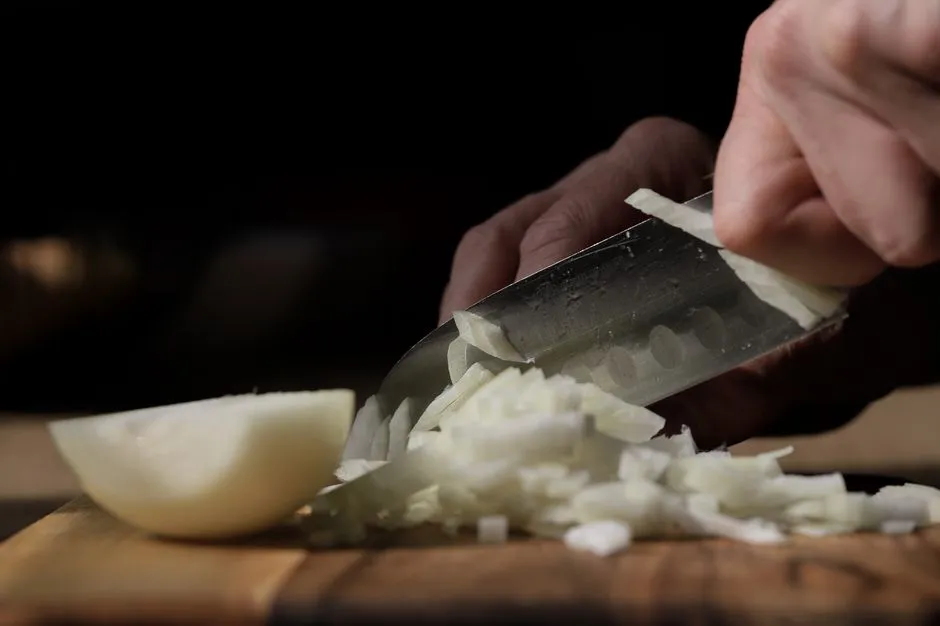
Soffritto and mirepoix are close relatives
Soffritto and mirepoix often begin with the same three vegetables: onion, carrot, and celery. Both create an aromatic base for soups, sauces, stews, and braises. Calling soffritto an Italian mirepoix is a useful introduction, but it hides differences in language, culinary context, and how a particular recipe wants the vegetables cooked.
Neither term guarantees one universal formula. Italian regions, French preparations, individual dishes, and home kitchens all introduce variations.
What mirepoix usually means
In French culinary vocabulary, mirepoix is a mixture of aromatic vegetables, classically onion, carrot, and celery. A familiar proportion is two parts onion to one part carrot and one part celery by volume, but that is a convention rather than a rule for every recipe. The vegetables may be cut larger for a long-cooked stock and smaller for a quick sauce.
Mirepoix is commonly cooked gently in butter or another fat without strong browning when the cook wants sweetness and background aroma. Other named French mixtures adjust the ingredients for color or use.
What soffritto usually means
Italian soffritto can refer to the chopped aromatic mixture and to the step of cooking it in fat. Onion, carrot, and celery are classic, often finely diced and cooked in olive oil, butter, or a combination. Garlic, parsley, rosemary, sage, or other aromatics may join them when the dish calls for it.
Some recipes use onion alone or begin with garlic and oil. A seafood sauce, risotto, ragù, and bean soup do not need identical foundations. Treat the recipe and regional context as the authority rather than adding all three vegetables automatically.
The practical differences at a glance
| Decision | Soffritto | Mirepoix |
|---|---|---|
| Culinary context | Italian dishes and terminology | French dishes and terminology |
| Common core | Onion, carrot, celery, with many variations | Onion, carrot, celery, with named variations |
| Common fat | Olive oil, butter, or both | Often butter, but other fats are used |
| Cut | Frequently a fine, even dice | Sized to cooking time and whether it remains in the dish |
| Color | Softened or taken to light gold, depending on the dish | Often gently softened when used as a background base |
These are tendencies, not authenticity tests. A specific recipe can cross any row in the table.
Use the finished dish to choose a ratio
More onion brings sweetness and body. Carrot adds sweetness and color; too much can push a delicate sauce noticeably sweet. Celery supplies a fresh, savory aroma that can dominate if the pieces are large or uneven.
For an unfamiliar recipe, follow its measurements. When cooking without one, start with a balanced handful of evenly cut vegetables and record what you used. Adjust the next batch based on the final sauce, not on how the raw cutting board looked.
Cook by texture and aroma
Add the vegetables to a wide pan with enough fat to coat them lightly. Season modestly, keep the heat low to moderate, and stir regularly. A fine dice may soften in roughly 10 to 15 minutes, but moisture, quantity, pan, and heat make visual cues more dependable than a timer.
For a pale, gentle base, stop when the onion is translucent and the vegetables are tender, with no dark edges. For deeper flavor, continue until the mixture is lightly golden and smells sweet and rounded. If it crackles aggressively or catches, lower the heat and add a teaspoon of water. Burnt aromatics should be discarded because their bitterness carries through the dish.
Garlic cooks faster than carrot or celery, so add it later unless the recipe uses whole cloves or very low heat. Dried woody herbs can bloom in the fat; tender fresh herbs are often brighter near the end.
Match the foundation to the next step
Before starting, ask whether the base should disappear into a sauce, remain as visible texture, or flavor a liquid that will later be strained. That answer determines the cut. Also ask whether the final dish wants clean sweetness or brown, roasted notes. That determines how far to cook it.
Once a sauce is built, the final texture still depends on coordination. The guide to finishing pasta in sauce explains how heat, tossing, and reserved water turn that base into an even coating.
Explore more adaptable building blocks in Italian Foundations.